PALETTEWabi-sabi · 侘寂
Wabi-sabi Color Palette
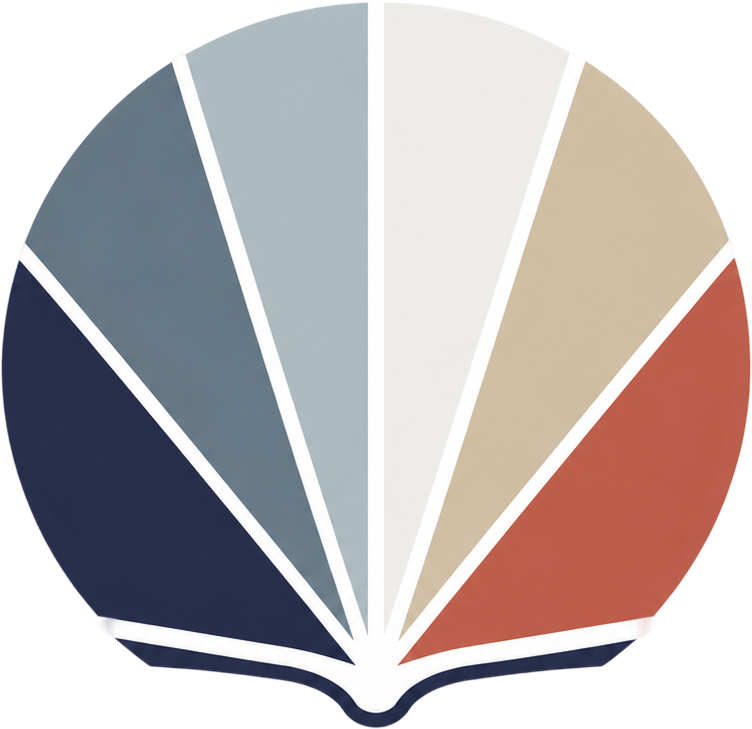
Wabi-sabi palettes embrace age, imperfection, and quiet. Build around earth, unbleached cloth, ink, and the muted Edo-period grays of the "hundred grays" tradition.
01Role assignments
How each color earns its place.
02Design notes
- Wabi-sabi avoids brightness. No more than one near-saturated color in the entire palette.
- Pair with handmade textures: washi paper, raw clay, hammered metal, undyed linen.
- For UI, this palette suits archive sites, journals, and editorial design — not e-commerce.
03FAQ
Is wabi-sabi the same as Japandi?
Related but not identical. Wabi-sabi is an older aesthetic about imperfection and age; Japandi is a modern interiors fusion of Japanese restraint and Scandinavian minimalism.
Can wabi-sabi palettes be used for branding?
Yes — for crafts, ceramics, tea, hospitality, and editorial. Avoid for tech SaaS unless the brand is intentionally counter-cultural.
Build with these colors